Warehouse IP Phone System: A 2026 Guide for Gulf Teams
A reliable warehouse IP phone system keeps pickers, dispatchers, and supervisors connected across noisy, fast-moving storage floors. In 2026, warehouse operators across the Gulf region are replacing aging analog handsets with IP-based devices that survive drops, work over Wi-Fi, and integrate with warehouse management software. This guide walks through what to look for, which models fit different roles, and how to roll out a new system without disrupting daily shipments.
Voice communication is still the fastest way to resolve a problem on a warehouse floor. A text message or app notification can sit unread for ten minutes while a truck idles at the dock; a ringing phone gets answered in seconds. That gap is exactly why a dedicated warehouse IP phone system remains worth the investment even as more operations lean on handheld scanners and messaging apps.
Why Warehouse Teams Need Dedicated IP Phones in 2026
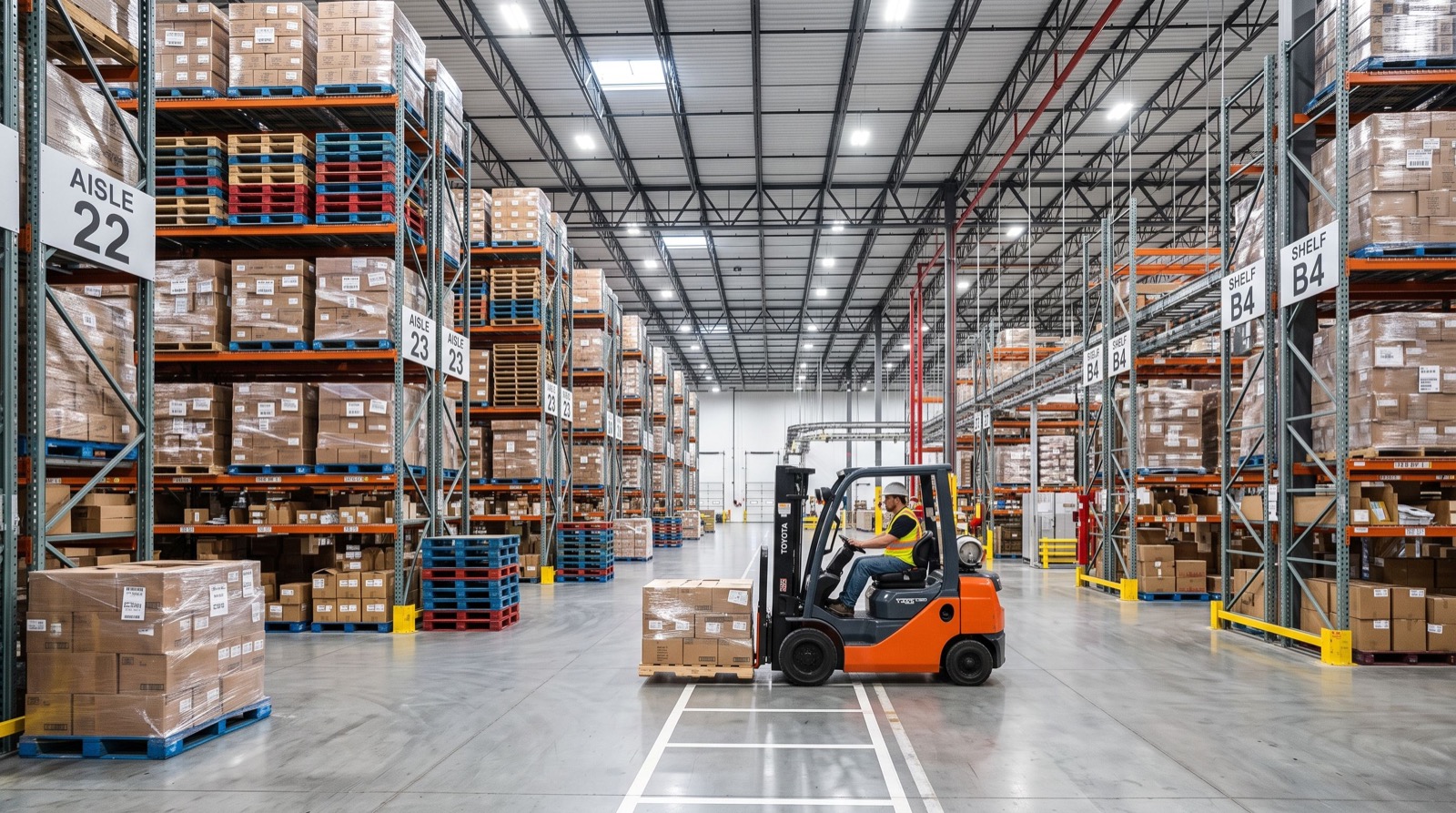
Warehouses are loud, spread-out, and full of metal racking that kills ordinary Wi-Fi signal and consumer phone reception. Staff on the floor need a handset that rings clearly over forklift noise and survives a fall from a pallet rack. A proper warehouse IP phone system solves this by routing calls over the existing data network instead of the public phone line, so adding a new extension in a new aisle costs nothing beyond a cable run or an access point.
Storage and fulfillment operators moving goods through Gulf ports, including teams coordinating fashion industry storage in Saudi Arabia, have told us the same thing repeatedly: dispatch delays almost always trace back to someone who couldn’t be reached in time. An IP phone system closes that gap by giving every role, from the gate guard to the shift supervisor, a short internal extension instead of a personal mobile number that changes when staff turnover happens.
There is also a cost angle. Analog phone lines billed per extension add up fast across a facility with dozens of stations. Moving those extensions onto the same network that already runs your scanners and inventory terminals removes a recurring line-rental cost and gives IT one system to manage instead of two.
Key Features to Look for in a Warehouse Phone
Not every IP phone belongs on a warehouse floor. Office-grade desk phones are built for a quiet, climate-controlled room, not a loading dock. Before buying, check each candidate device against this list:
- IP54-rated or higher housing to resist dust, grime, and occasional drops
- Dual-band Wi-Fi support for sites without full Ethernet cabling to every aisle
- Long-lasting battery for handsets carried across a full eight- or ten-hour shift
- Loud, directional speaker that cuts through forklift, conveyor, and shrink-wrap machine noise
- Push-to-talk or intercom mode for quick floor-to-floor calls without dialing a number
Skipping any one of these usually shows up within the first month, most commonly as staff reverting to personal mobiles because the work handset couldn’t be heard over the floor noise.
Fanvil IP Phones Built for Warehouse Floors
For staff who walk the aisles all shift, the Fanvil W610W is a portable Wi-Fi handset that pairs with the existing wireless network, so pickers and forklift drivers stay reachable without running new cable to every rack. It behaves like a small cordless phone rather than a smartphone, which keeps the learning curve low for staff who just need to answer and place calls, not navigate an app.
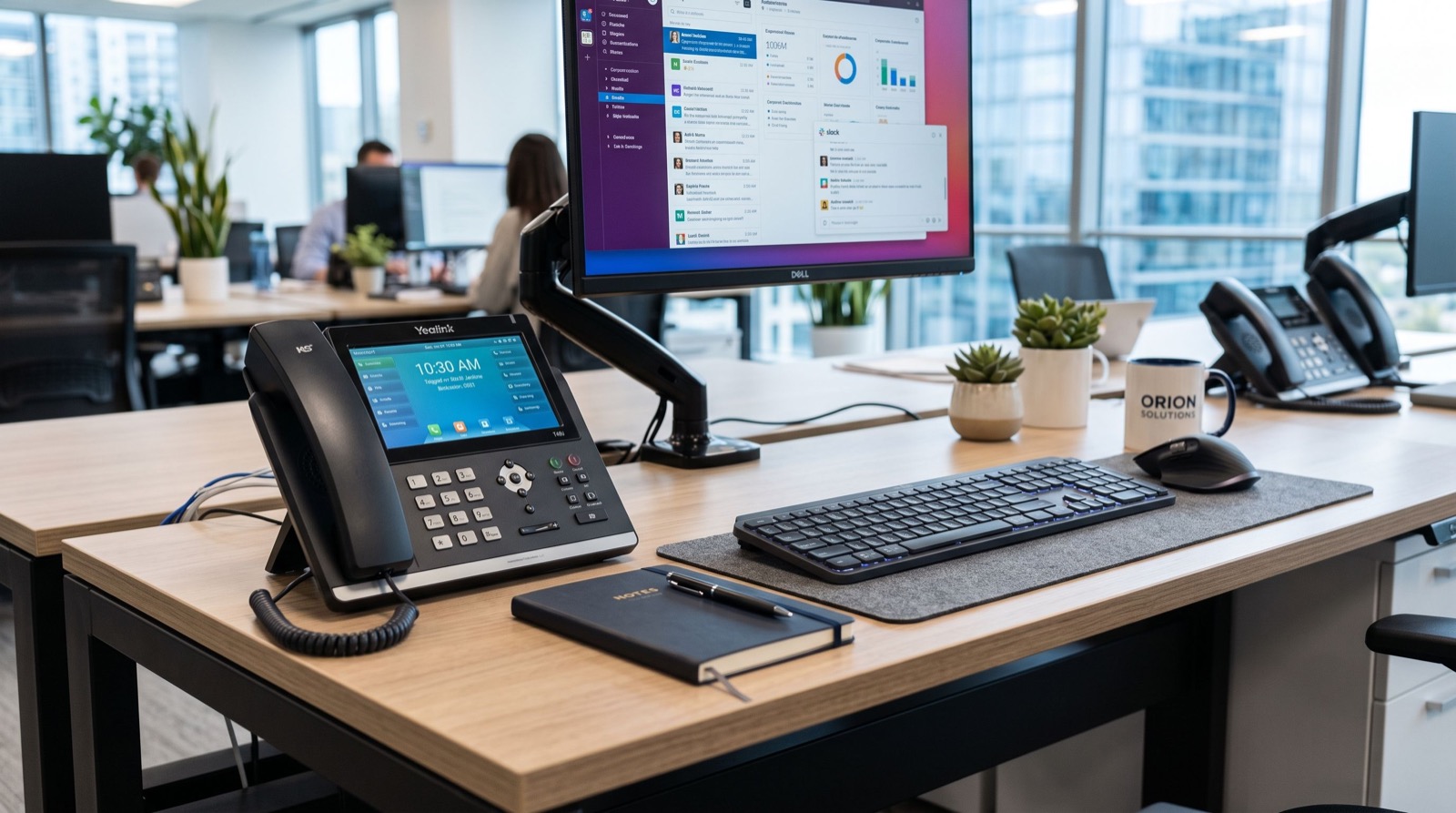
For the dispatch office or shift-lead desk, the Fanvil X210 handles multiple simultaneous lines, which matters when a supervisor is juggling calls from three different loading docks at once while also fielding a call from a transport company. Pairing one fixed desk unit with several portable handsets is the setup we see work best on mid-size Gulf warehouse floors: fixed phones anchor the office and gate, portable units cover anyone who moves.
Many operators don’t have in-house telecom staff, which is why working with an experienced local team for the install and the Wi-Fi survey that precedes it matters as much as the hardware choice itself. Our experienced local team guide on storage-sector operations in Saudi Arabia covers that planning side in more depth, including how facility layout affects coverage decisions.
Warehouse Phone Comparison: Wired vs Portable vs Hybrid
Most facilities end up mixing device types rather than standardizing on one. The table below summarizes the trade-offs we see most often when budgeting a rollout:
| Setup type | Best for | Avg. cost per unit (2026) | Network need |
|---|---|---|---|
| Fixed desk IP phone | Dispatch office, admin desks, security gate | $60–$130 | Ethernet |
| Portable Wi-Fi handset | Pickers, floor supervisors, forklift operators | $90–$160 | Wi-Fi coverage |
| Hybrid (both) | Mixed warehouse + office teams | Varies by headcount | Ethernet + Wi-Fi |
Facilities handling seasonal spikes, such as peak storage periods common in the fashion and retail supply chain, often rent a small batch of extra portable handsets rather than buying enough units to cover year-round peak staffing.
Rolling Out a New IP Phone System in 5 Steps
Switching an active warehouse to new phones without stopping shipments takes planning. The most common mistake is ordering hardware before confirming the wireless network can actually carry voice traffic reliably in every corner of the building. Follow this order instead:
- Survey Wi-Fi coverage in every aisle and dock before ordering any handsets
- Pick a mix of fixed and portable units based on each role’s movement pattern
- Set up extensions and call groups in the system before hardware arrives on site
- Pilot the new phones on one shift or one zone first, keeping old phones as backup
- Roll out site-wide once the pilot shift confirms call quality and coverage
Running the pilot on a single shift, rather than the whole site at once, is the single biggest factor in a smooth rollout. It surfaces dead Wi-Fi zones while the old phones are still available as a fallback, so nobody is left unreachable during the transition.
Frequently Asked Questions
What is a warehouse IP phone system?
A warehouse IP phone system routes calls over the facility’s data network, wired or Wi-Fi, instead of traditional phone lines, letting pickers, dispatchers, and office staff reach each other on one internal network at a lower running cost than analog lines.
Do IP phones work over Wi-Fi in a large warehouse?
Yes, provided the access points are placed to avoid dead zones created by steel racking and metal shelving. A pre-install Wi-Fi survey is the step most teams skip and later regret once call drops start during peak shift hours.
How much does a warehouse IP phone system cost in 2026?
Budget roughly $60 to $160 per handset depending on whether it is a fixed desk unit or a portable Wi-Fi model, plus a modest one-time cost for network configuration and extension setup.
Can these phones integrate with warehouse management software?
Most modern IP phones support SIP trunking and can trigger or receive alerts from warehouse management and dispatch software through standard integrations, so a missed-pick alert can ring a supervisor’s desk phone directly.
Final Thoughts
A well-planned warehouse IP phone system pays for itself within months by cutting missed-call delays at the dock and reducing recurring line costs. Start with a Wi-Fi survey, mix fixed and portable handsets to match how your team actually moves, and pilot before a full rollout. According to the International Telecommunication Union, VoIP-based systems now carry the majority of global enterprise voice traffic, a trend that Gulf logistics operators are following fast in 2026 as they modernize facilities. For Saudi-based teams, the Communications, Space and Technology Commission publishes current guidance on approved telecom equipment worth checking before you import hardware for a new site. Get the network survey right first, and the rest of the warehouse IP phone system rollout tends to fall into place.